Why Professional Mold Testing and Removal Is Worth the Investment
Understanding Mold in Your Home
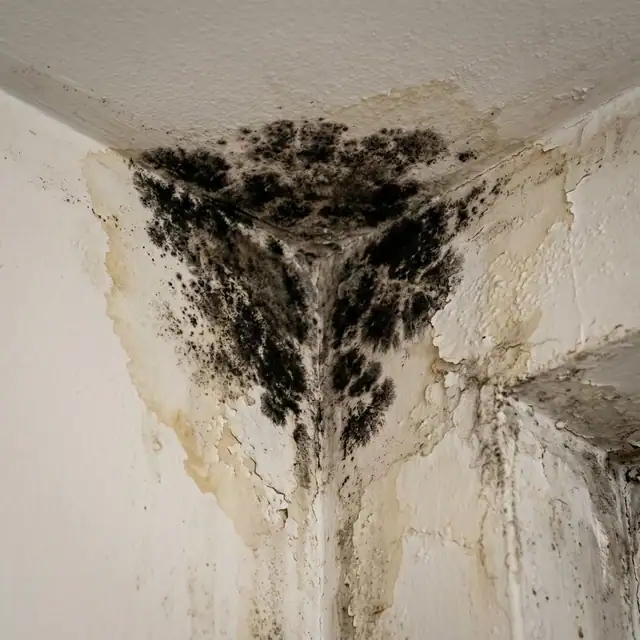
Mold is more than an eyesore. It is a living organism that spreads through tiny spores, invisible to the naked eye until a colony takes hold. I have seen homes where the occupants thought they had a minor problem, only to discover that the mold had traveled deep into drywall and framing. That is why professional mold testing and removal matters. It catches what you cannot see and fixes it before the damage compounds.
Many homeowners try to handle mold themselves with bleach and a scrub brush. That approach rarely works long-term. Bleach kills surface mold but does nothing to stop the source or remove the spores that have settled into porous materials. Worse, scrubbing can release mold spores into the air, spreading the problem to other rooms. Professional mold remediation addresses the root cause and the hidden growth.
The Role of Mold Testing
Before you can remove mold effectively, you need to know what you are dealing with. Mold testing is not just about confirming that mold is present. It identifies the species, the concentration of mold spores in the air, and the moisture source feeding the growth. This information guides the entire removal process. For example, black mold (Stachybotrys chartarum) produces mycotoxins that can cause serious health issues. Knowing whether black mold is present changes how the abatement contractor sets up containment and what level of personal protective equipment is needed.
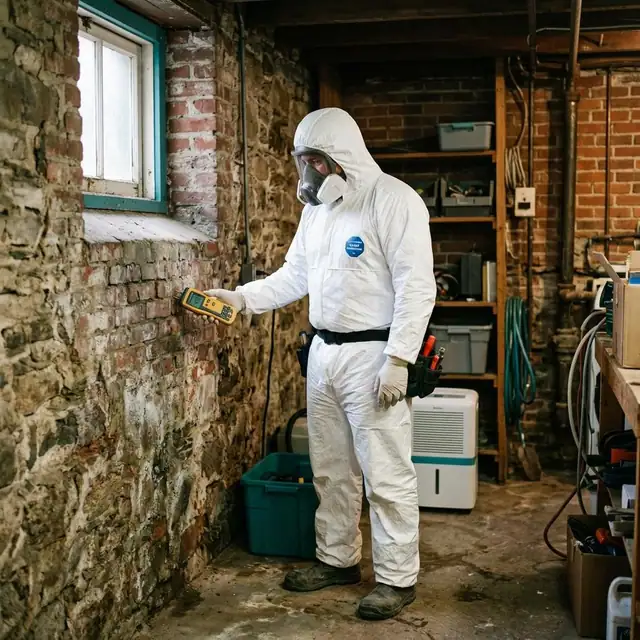
Testing methods vary. A certified inspector might use a moisture meter to check for hidden dampness behind walls. They might take air samples and surface samples, then send them to a lab for analysis. The results give a clear picture of indoor air quality and help determine if the mold is active or dormant. I recall a job where the homeowner insisted the mold was just cosmetic. The moisture meter showed high readings behind the baseboard. When we opened the wall, we found a slow pipe leak that had been feeding mold for months. Testing saved them from a much larger renovation down the road.
Professional Containment and Safety
Once testing is complete and the scope of work is clear, the next step is containment. Professional mold removal involves creating a barrier between the work area and the rest of the home. This is called a containment barrier. It is usually made of heavy-duty plastic sheeting sealed with tape to the floor, ceiling, and walls. A tarp-off like this keeps mold spores from traveling into clean spaces.
Inside the containment area, the abatement contractor uses negative air pressure. This means an air scrubber with a HEPA filter pulls air out of the containment zone and exhausts it outside, creating a vacuum that prevents spores from escaping. The HEPA filter captures particles as small as 0.3 microns, which includes most mold spores. This is the same technology used in hospitals and labs. Without it, you run the risk of contaminating your entire home.
Removal Methods That Work
Mold removal is not one-size-fits-all. The method depends on the surface and the extent of the growth. For non-porous surfaces like tile or metal, antimicrobial coatings and sprays like Concrobium can kill and prevent regrowth. For wood framing, professionals might use dry ice blasting or soda blasting. Both are abrasive but gentle on the material, and they do not introduce moisture that could feed future mold. Dry ice blasting uses pellets of frozen CO2 that sublimate on impact, leaving no chemical residue. Soda blasting uses baking soda particles, which are mildly abrasive and also act as a mild disinfectant.
In severe cases, porous materials like drywall and insulation must be cut out and replaced. This is where the judgment of an experienced mold remediation team really shows. They know how to remove only what is necessary while protecting the surrounding structure. They also understand when to use encapsulation, a sealant that locks in remaining mold spores on surfaces that cannot be removed. Encapsulation is a last resort, but it is sometimes the safest option for historical buildings or spaces where demolition would cause more harm.
Preventing Mold from Returning
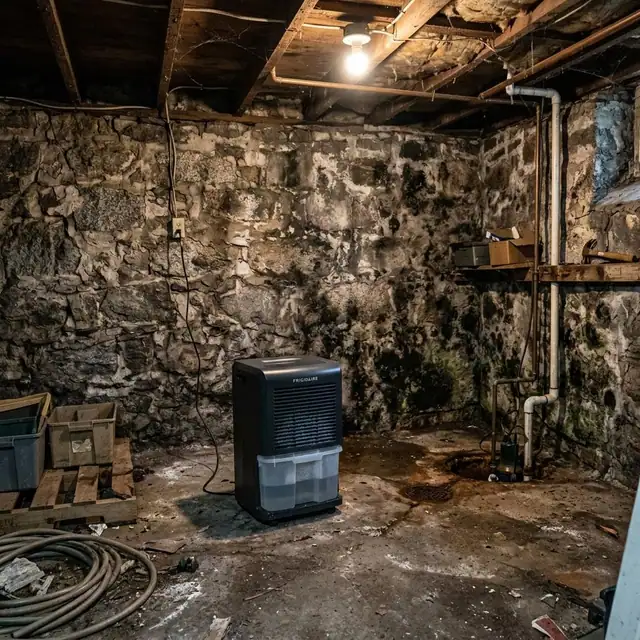
Removal is only half the battle. The real win is keeping mold from coming back. This means fixing the moisture problem. It could be a leaky pipe, poor ventilation, high humidity, or a damp basement. A dehumidifier can help control humidity in basements and crawl spaces. Proper grading around the foundation keeps rainwater from seeping in. Venting bathrooms and kitchens to the outside reduces steam buildup.
After remediation, many professionals apply an antimicrobial coating to the affected areas. Products like Boracare are designed to penetrate wood and kill mold deep inside, leaving a residue that resists future growth. These treatments are not a substitute for fixing the moisture source, but they add an extra layer of protection.
Health and Standards
Mold exposure is linked to respiratory issues, allergies, and in some cases, toxic reactions from mycotoxins. The EPA provides guidelines for mold remediation in schools and commercial buildings, but residential properties often lack the same oversight. That is why hiring an abatement contractor who follows industry standards is important. Look for certifications from organizations like IAQA (Indoor Air Quality Association). These credentials show that the contractor has formal training in mold testing and removal protocols.
I once worked with a crew that followed IAQA guidelines to the letter. They set up three-stage containment, used negative air pressure with HEPA-filtered air scrubbers, and double-bagged all waste. The difference between that job and a typical handyman cleanup was night and day. The air quality after the job was cleaner than before the mold appeared.
Cost vs. Value
Professional mold testing and removal is not cheap. A full inspection and lab analysis can run a few hundred dollars. Remediation can range from a thousand to several thousand dollars depending on the size of the infestation. But consider the alternative. Ignoring mold can lead to structural damage, decreased property value, and health costs. A small patch of mold behind a wall can spread to the attic, the crawl space, and the HVAC system, turning a minor fix into a major renovation. In that light, early professional intervention is a bargain.
Some homeowners skip testing and go straight to removal. That can work for small, visible spots, but it leaves the root cause unaddressed. Without testing, you might use the wrong removal method or miss hidden growth. The phrase "mold testing and removal" is not just two services that happen to go together. Testing informs removal. Removal without testing is like treating a symptom without diagnosing the disease.
If you are dealing with mold in your home, do not guess. Get a professional assessment. Use a moisture meter to check for hidden dampness. Have an air quality test done. Let the results guide the remediation plan. It is the smartest investment you can make for your home and your health.